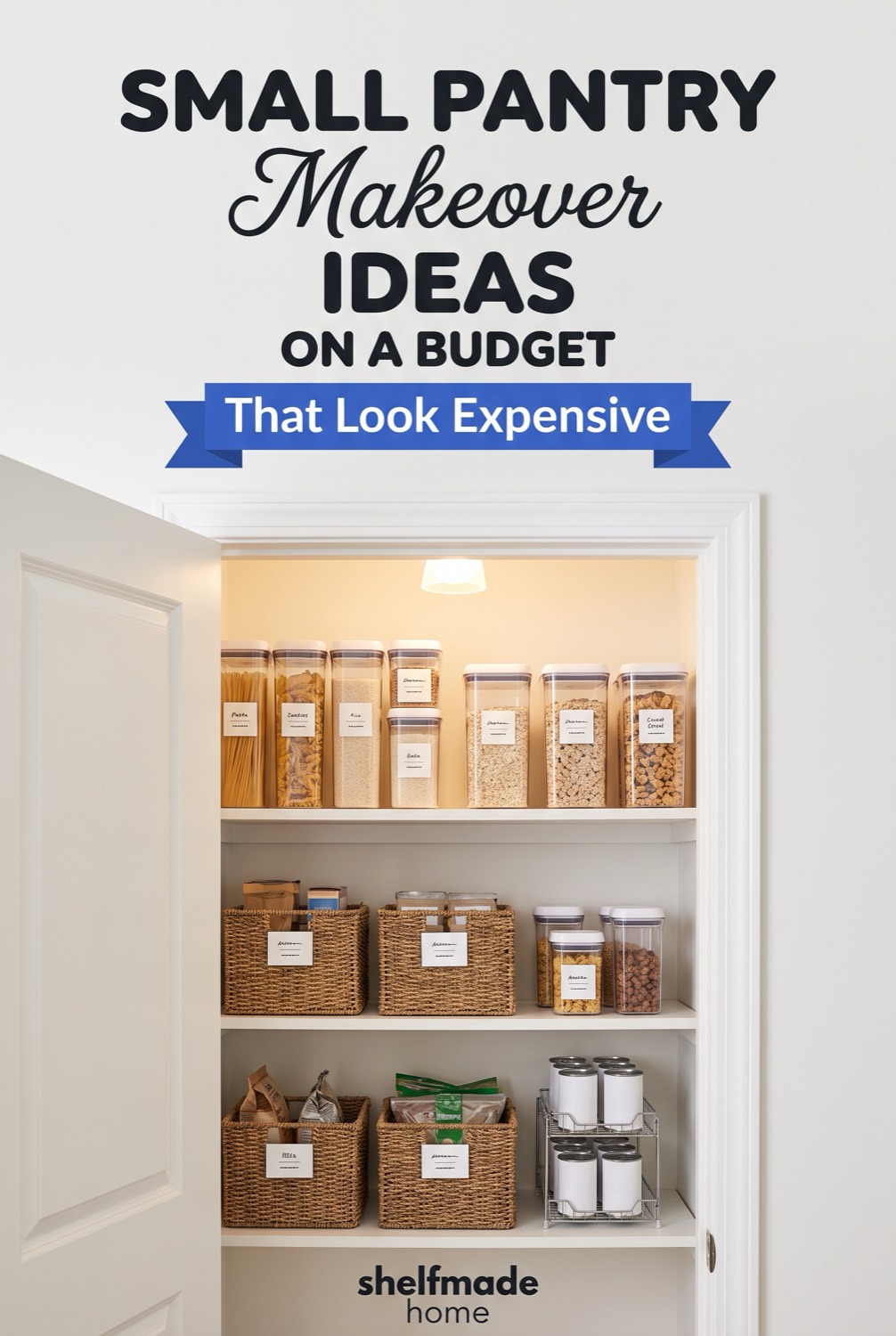
Pantry Organization Ideas for Small Spaces That Save Time
How to organize a small pantry so it stays tidy: shelf zones, clear containers, smart spice storage and a budget-friendly makeover that looks expensive.
Save to Pinterest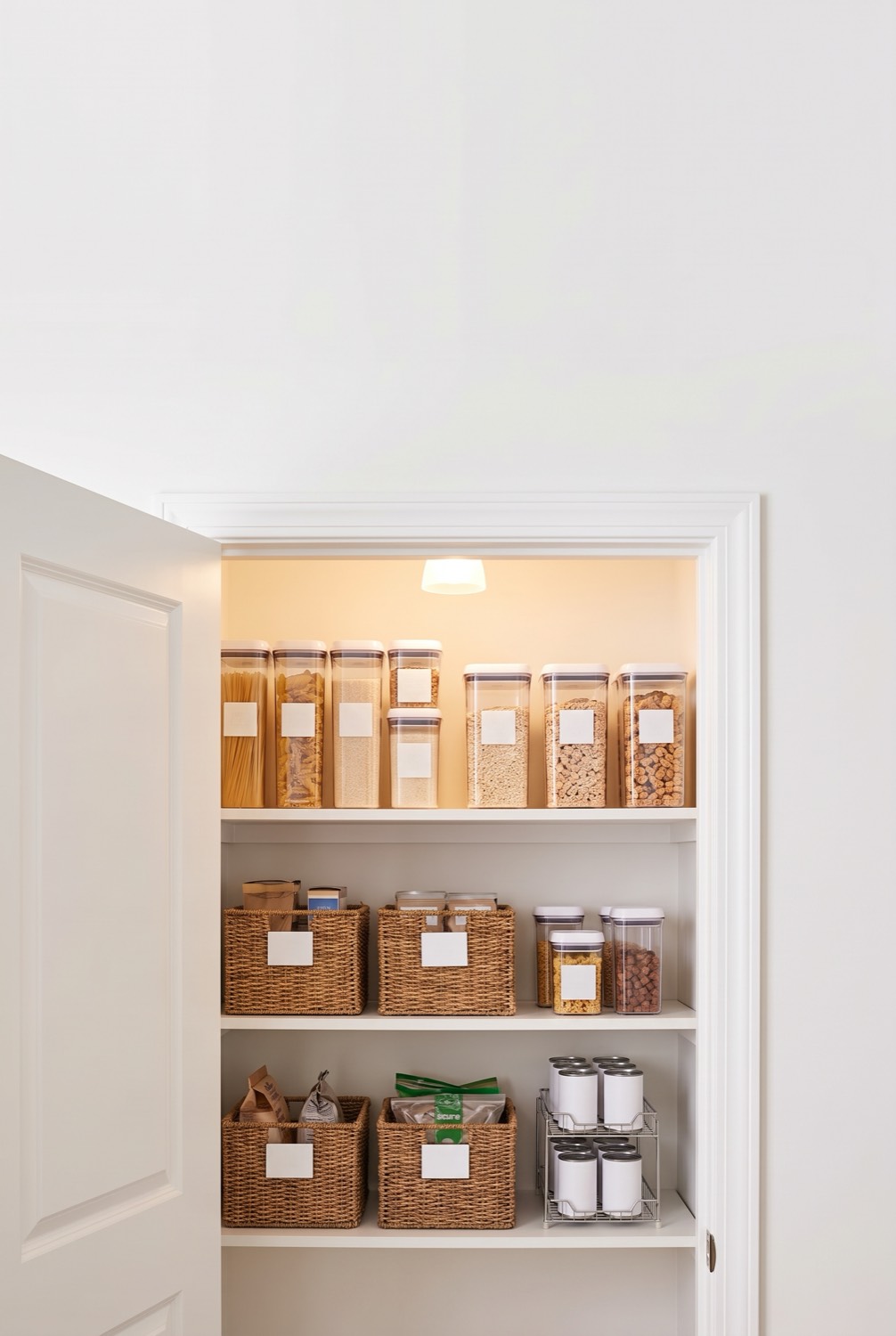
A small pantry doesn’t fail because it’s small. It fails because nothing in it has a fixed place. Groceries go wherever there’s a gap, the back row disappears, and you buy a third jar of cinnamon because you couldn’t find the other two.
The fix is a simple system, not more space. Below is the setup that works in a reach-in pantry, a single cabinet or a few open shelves, plus a section on spices and a budget makeover you can do in a weekend.
Start with a full reset
Take everything out. All of it. Wipe the shelves, check dates, and throw away what’s expired or stale. Then group what’s left on the counter: breakfast, baking, pasta and grains, snacks, cans, sauces and oils.
This step feels like the boring part, but it’s where you learn what you actually keep. Most people find they have far fewer categories than they expected, and that’s what makes the next step easy.
Give every shelf a job
Instead of filling shelves in whatever order things fit, assign each shelf one zone. A simple layout for most pantries:
- Top shelf: backstock and things you use a few times a year, like holiday baking supplies or extra paper towels.
- Eye level: everyday items. Cereal, oats, coffee, tea and whatever you reach for every morning.
- Middle: pasta, rice, grains and baking basics.
- Lower shelf: snacks, where kids can reach them and adults can grab them without a step stool.
- Floor: bulk bags, drinks and heavy items in bins.
Once each shelf has a job, putting groceries away takes half the time, and anyone in the house knows where things go.
Decant the things you buy most
Moving dry goods out of bags and boxes into clear containers is what makes a pantry look calm. It also lets you see at a glance what’s running low and keeps pantry moths and crumbs out.
You don’t need to decant everything. Start with your top five or six staples: pasta, rice, oats, flour, sugar and cereal. Square containers use shelf space better than round ones, and containers that stack let you use the full height of each shelf.
Add a simple label to each one. It keeps the system working when someone else unpacks the groceries.
Use bins for the things that don’t stack
Snack packets, seasoning mixes, tea bags and baby food pouches never stay in neat rows. Give each category its own bin and the shelf stays tidy even when the inside of the bin isn’t. Clear bins are best at eye level, where you want to see what’s inside. Woven baskets look warmer on the lower shelves and hide a bit of visual clutter.
Make cans visible
Cans are the classic pantry black hole: you see the front row and forget the rest. A tiered can organizer lifts each row a little higher than the one in front, so every label is visible. For deep shelves, a turntable does the same job for jars, oils and sauces.
Spice storage ideas that fit anywhere
Spices deserve their own system, because they’re small, numerous and used constantly. A few options that work in small kitchens:
In a drawer. A tiered spice insert turns a shallow drawer into the easiest spice storage there is. Jars lie at an angle with the labels facing up, so you can read every one at once.
On a turntable. If you don’t have a spare drawer, a turntable on the counter or in the pantry keeps everyday spices within reach. Two tiers fit twice as many jars in the same footprint.
On the door. A slim rack on the inside of the pantry door holds a surprising number of jars and uses space that’s usually empty.
Whichever you choose, matching jars make the biggest visual difference. Refill them from bulk bags and keep the extras on the top shelf with the backstock.
A small pantry makeover on a budget
You don’t need to replace your shelves to make a pantry look custom. The changes that make the biggest difference cost the least:
- Matching containers for the staples. Uniform shapes are what make a pantry look expensive.
- Two or three baskets in the same material for the lower shelves.
- Simple labels in one font.
- Shelf liners in a light color, which make shelves easier to wipe and brighten a dark pantry.
- A battery-powered motion light if your pantry has no light at all.
Buy containers for one zone at a time. A finished shelf keeps you motivated, and you’ll know exactly what sizes you need before you buy more.
Keep it working
A pantry stays organized when putting things back is easy. Leave a little empty space on every shelf for new groceries, refill containers when you unpack, and do a five-minute reset once a week before you shop. That’s usually enough to stop the chaos from coming back.
For more ideas, the Pantry Organization board on Pinterest is updated every day.